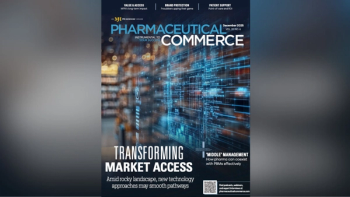
View the Pharmaceutical Commerce December 2025 issue in an interactive format.
View the Pharmaceutical Commerce December 2025 issue in an interactive format.

Highlighting the December issue of Pharmaceutical Commerce is a dive into the evolving landscape of market access in pharmaceuticals, including AI's role and new pricing dynamics shaping the industry.

Next year's content looks to carry over the momentum here at Pharmaceutical Commerce.

Traditional market access practices are being transformed by an increasingly rocky landscape of rebate, discount, and direct-distribution practices, but artificial intelligence may clear the pathways to profitability.

As safety data grows in scale and complexity, AI-powered pharmacovigilance is emerging as a strategic imperative—helping drugmakers improve detection, reduce risk, and strengthen commercial performance.

CoverMyMeds’ Megan Wetzel unpacks the forces behind rising specialty spend, the real impact of access barriers, and how field reimbursement teams help providers guide patients through today’s fragmented system.

AI-powered control towers and digital twins are emerging as essential tools to prevent costly supply chain failures and restore operational reliability.

How pharma can productively coexist with PBMs—and still lower drug costs faster.

The fracturing of the US drug market’s traditional model is forcing a demand for a strategic bifurcation to maintain profitability, compliance, and patient access in the decade ahead.

It’s not marketing—it's the activation layer for every dollar spent on patient access and support.

Counterfeit pharma networks are becoming more sophisticated—leveraging advanced packaging, fragmented logistics, and global trade gaps—making detection harder and patient risk greater than ever.

Rising prescription costs and premiums are forcing more than half of patients to take drastic measures to cover OOP costs.

Various agreements with the Trump administration could have long-term ramifications for Medicaid access and global pricing strategy.

When intelligence flows across clinical, access, and engagement channels, commercialization shifts from reactive to predictive, giving teams the real-time edge to win in a fast-moving market.