


Pricing
Latest News
Advertisement
Latest Videos






Podcasts

Advertisement
More News

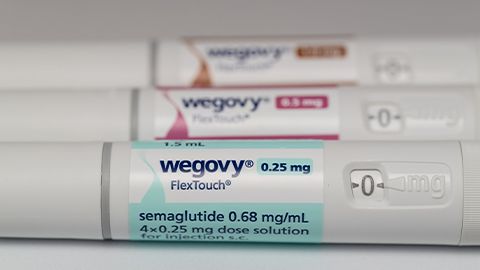
Lilly announced a new agreement with the Trump administration to expand access to its GLP-1 therapies, including Zepbound and orforglipron, offering the drugs to Medicare beneficiaries for $50 per month and through Medicaid programs starting in 2026.

Pharma’s push into direct-to-patient sales is reshaping the front end of drug distribution, but wholesalers like Cencora, McKesson, and Cardinal Health remain indispensable as the backbone of the industry’s regulated, specialty, and logistics infrastructure.

As the three models converge, expect a bigger role for sales reps, minimal impact on incentive compensation, and a boon to the healthcare system.
The partnership will provide DTC options at locations nationwide.

At HLTH 2025, the entrepreneur announced a collaboration between Cost Plus Drugs and President Trump’s TrumpRx platform aimed at improving transparency, reducing drug costs, and reshaping how Americans access their prescriptions.

Aetna, Devoted Health, and UnitedHealth headline the list best Medicare Advantage insurers for next year, while Centene and Humana lead the pack in Part D prescription drug coverage.

A planned 100% tariff on branded and patented drugs from Singapore is being postponed as US and Singapore officials explore potential exemptions.

The appellate court upheld Medicare’s authority to negotiate lower drug prices under the Inflation Reduction Act, following similar rulings against AstraZeneca, Bristol Myers Squibb, and Novartis.

From patent cliffs and government price controls, to self-pay models and staff-model HMOs, a look at the forces that could deflate the bubble—and those factors likely to keep it afloat a while longer.

Amid pressures on pharma to match the lowest international prices, experts warn of “policy laundering” and discriminatory impact.

The draft assessment finds that the popular weight loss drugs are costly but worth the price tag, while also urging for broader coverage and policy solutions.

The merger integrates EVERSANA’s commercialization services with Waltz Health’s AI-powered payer tools to address patient affordability, streamline drug access, and reduce costs for high-expense therapies such as GLP-1s.

As over half of Americans now receive prescriptions through Medicare or Medicaid, pharma companies must shift from a commercial-first approach to a statutory-first model, making GTN governance a C-suite priority for long-term brand survival.

As pharma drug pricing debates heat up, the 340B program faces mounting challenges from outdated regulations, duplicate discounts, and limited transparency.
In the final part of his Pharma Commerce video interview, Philip Sclafani, PwC's pharmaceutical and life sciences lead, discusses operational and pricing strategies pharma executives can adopt to navigate sustained cost inflation, including supply chain optimization, payer collaboration, and value-based approaches to ensure patient access and affordability.
From rethinking launch price logic to implementing rebate-aware modeling and patient-first access programs, this installment explores how disciplined governance and forward-thinking models can safeguard profitability in a volatile market.
The GSK Flovent example highlights the consequences for patients and pharma of the decision to eliminate the Medicaid rebate cap.

In the first part of his Pharma Commerce video interview, Philip Sclafani, PwC's pharmaceutical and life sciences lead, shares how he foresees the One Big Beautiful Bill Act reshaping prescription drug spending, and what strategies pharmaceutical companies adopt to mitigate its potential impact on innovation, R&D investment, and M&A activity.
In the third part of his Pharma Commerce video interview, Marschall Runge, MD, PhD, dean of the University of Michigan Medical School and author of The Great Healthcare Disruption, proposes ways to ensure both fiscal responsibility and the sustainability of hospital funding.

Amid the push for reshoring and fiscal reform, the tariffs are part of a broader effort to rebalance trade and fund domestic initiatives, as the pharma sector awaits potential levies of its own.
An exploration into how flawed incentives and contractual loopholes between manufacturers and pharmacy benefit managers played their part.
How practical is this form of pricing in the pharma setting?

Potential import taxes on pharma goods entering the United States continue to have effects on the industry in more ways than one.

In an exclusive sit-down with Pharma Commerce, Anne Cassity, senior vice president of government affairs for the National Community Pharmacists Association (NCPA), discusses pending legislation that could affect the impact of PBM pricing.

The interchangeability designation for Yuflyma, a biosimilar to Humira, may help to improve patient access and reduce costs.
Advertisement
Advertisement
Trending on Pharmaceutical Commerce
1
BoomRx Expands Access to Oral Semaglutide and Tirzepatide Using Nanoemulsion Delivery
2
The Hidden Economics of Health Insurance Affordability
3
Pharma Pulse: Novartis Warns of Trade Fragmentation; Hospital M&A Hits Record Low; Copay Shock Warning
4
Evaluate’s 2026 Pharma Forecast Signals Cautious Recovery, Rising M&A, and GLP-1 Market Shifts
5