
Videos

As AI adoption accelerates across life sciences, Shawn Opatka, VP and GM of Honeywell Life Sciences, and Linda Malek, JD, partner at Crowell & Moring, discuss how regulatory expectations and federal initiatives—like the White House AI Action Plan—are shaping the technology’s future role in pharma quality, traceability, and healthcare systems.

Christy Christian, senior industry principal with Kinaxis, and Hari Kiran Chereddi, CEO of HRV Pharma, explain why AI’s reliability depends on product stability, how human judgment still matters, and how a digital, AI-validated manufacturing backbone is accelerating regulatory reviews, strengthening supplier management, and transforming global production readiness.

In the third part of his Pharma Commerce video interview, Derrick Gastineau, head of marketing with Currax Pharmaceuticals, notes that in a crowded weight management landscape, marketers play a critical role in combating misinformation by ensuring healthcare providers and patients have clear, accurate information on the safety, efficacy, and access pathways of FDA-approved treatments.

In the second part of his Pharma Commerce video interview, Derrick Gastineau, head of marketing with Currax Pharmaceuticals, points out that as patient fatigue grows with injectable therapies, oral alternatives are emerging as vital tools for clinicians and patients alike, expanding choice, improving access, and supporting more personalized obesity treatment strategies.

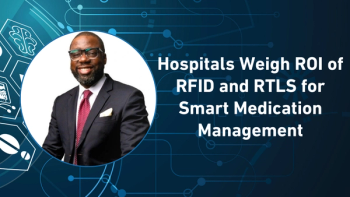
In the final part of his Pharma Commerce video interview, Boyede Sobitan, Zebra Technologies’ global healthcare strategy lead, details how in a post-COVID landscape, technologies that track and regionalize hospital inventory could become critical tools for state and local health departments, ensuring visibility, preparedness, and smarter resource allocation during future disruptions.

In the second part of her Pharma Commerce video interview, Annika Matas, Zebra Technologies’ senior director of product management and business operations, supplies & sensors, shares that from automated RFID cabinets to handheld scanners, hospitals are streamlining inventory tracking, cutting labor costs, and reducing medication loss, especially critical during drug shortages.