




Legal & Regulatory
Latest News
Advertisement
Latest Videos




Podcasts



Advertisement
More News

In the seventh part of this roundtable discussion, key opinion leaders uncover how pharma companies can mitigate tariff impact through duty drawback programs and smart technology investments, without overreacting or overhauling manufacturing footprints unnecessarily.
A new two-phase initiative aims to streamline facility approvals, reduce reliance on foreign pharmaceutical production, and bolster domestic supply chain resilience amid rising tariffs and reshoring investments.

In an era of increasing regulatory complexity, life sciences organizations are modernizing GxP compliance through digital tools like eQMS, cloud platforms, and automated validation, while expert validation services remain essential for aligning these technologies with real-world workflows and inspection readiness.
This episode of Pharma Pulse covers Bayer’s $2.3 billion cost-cutting overhaul, promising Phase III results for Eli Lilly’s oral GLP-1 therapy orforglipron, and a pivotal court decision clearing the way for intensified competition in the high-growth obesity and diabetes treatment market.

Meanwhile, drugmakers ramp up US manufacturing investments to navigate policy shifts and protect supply chain resilience, as the Trump administration enacted tariff rates between 10% to 50% on various trading partners early this morning.

With 14 new lawsuits filed and 132 total complaints across 40 states, Novo Nordisk is intensifying efforts to protect patients from unapproved compounded semaglutide products by targeting pharmacies, telehealth providers, and deceptive marketing practices that compromise safety, mislead consumers, and violate FDA regulations.

In the second part of his Pharma Commerce video interview, Philip Sclafani, PwC's pharmaceutical and life sciences lead, discusses how the pharmaceutical industry is balancing high-cost innovation, especially in obesity and metabolic disease, with payer demands for cost containment, highlighting the growing role of biosimilars and future generics in offsetting spend.
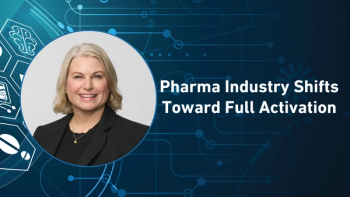
In the fourth part of her Pharma Commerce video interview, Heather Zenk, Cencora’s president of US supply chain, explores how public-private collaboration, smarter sourcing strategies, and long-term manufacturer support are helping to fortify pharmaceutical supply chains against future crises.

The letters demand US drug prices match or undercut global lows, triggering a 60-day compliance timeline, and prompting strategic responses from players in the space, including Celltrion.

In the third part of her Pharma Commerce video interview, Heather Zenk, Cencora’s president of US supply chain, explores how public-private collaboration, smarter sourcing strategies, and long-term manufacturer support are helping to fortify pharmaceutical supply chains against future crises.

Is the industry ready for the Aug. 1 deadline of when these levies go into effect?

The new deal imposes 15% tariffs on most EU exports, including pharmaceuticals.

Kevin Chinn, vice president and head of the cell & gene therapy service line at Cencora, outlines why early planning, stakeholder engagement, and innovative access strategies are key to long-term CGT success.

As new pricing and trade policies take shape, 60% of life sciences and healthcare executives anticipate business disruption, according to a new survey from Deloitte.

These innovations are revolutionizing pharmaceutical packaging by enhancing drug safety, combating counterfeiting, ensuring regulatory compliance, and improving patient adherence across the supply chain.

A timeline of key developments surrounding Sarepta Therapeutics' Duchenne muscular dystrophy drug Elevidys, and the potential future impacts for gene therapy regulation and market access.

Meanwhile, President Trump continues to push reciprocal levies and reshoring efforts, while pharma prepares for escalating costs.
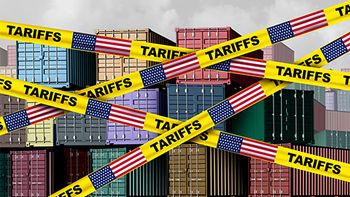
Pharma prepares for looming tariffs, as the US president signals a phased increase starting Aug. 1, but the official starting tax rate is yet to be determined.

Why startups and life sciences companies should approach this booming sector with extreme caution.

As drug development increasingly targets multiple indications, pharma companies must make strategic branding decisions—balancing regulatory requirements, market dynamics, and patient safety—to choose between single-brand or multi-brand approaches.

Dipanwita Das, CEO and co-founder of Sorcero, chats with Pharma Commerce to dig into the evolving drug development landscape, being regulatorily compliant, and the rapid advancements in artificial intelligence.

In the second part of her Pharma Commerce video interview, LeAnn Boyd, Liviniti’s founder and CEO, discusses how this MFN executive order can affect players in the space that operate under a rebate-driven PBM model.

Though this specific agreement centers around aerospace and automobiles, the greater supply chain will wait and see how Trump’s import taxes impact pharmaceuticals, a sector that faces a potential 25% tax on imports.

In the first part of her Pharma Commerce video interview, LeAnn Boyd, Liviniti’s founder and CEO, outlines the most critical root causes of rising healthcare and drug costs that the MFN executive order doesn’t address.
In the third part of her Pharma Commerce video interview, Kirsten Newquist, Identiv’s CEO, shares the ways in which regulations, including DSCSA, are impacting the adoption of smarter packaging technologies across the industry.
Advertisement
Advertisement
Trending on Pharmaceutical Commerce
1
BoomRx Expands Access to Oral Semaglutide and Tirzepatide Using Nanoemulsion Delivery
2
The Hidden Economics of Health Insurance Affordability
3
Pharma Pulse: Novartis Warns of Trade Fragmentation; Hospital M&A Hits Record Low; Copay Shock Warning
4
Evaluate’s 2026 Pharma Forecast Signals Cautious Recovery, Rising M&A, and GLP-1 Market Shifts
5