


Legal & Regulatory
Latest News
Advertisement
Latest Videos




Podcasts



Advertisement
More News

In the second part of his Pharma Commerce video interview, Diogo Rau, executive vice president and chief information and digital officer for Eli Lilly and Company, highlights that cutting down on the 90 billion sheets of paper used for medicine inserts each year isn’t just an environmental win—it’s also a critical step toward making drug information more accessible for patients with vision challenges, language barriers, or cognitive and physical disabilities.
The company is committing over half a billion dollars to build a state-of-the-art research hub in Thousand Oaks, CA, designed to accelerate next-generation therapeutics through advanced automation and collaboration.
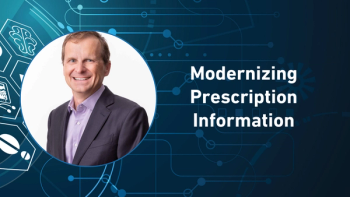
In the first part of his Pharma Commerce video interview, Diogo Rau, executive vice president and chief information and digital officer for Eli Lilly and Company, explains how the Prescription Information Modernization Act of 2025 aims to replace package inserts with digital-first documentation, providing patients with better access to understandable medication guidance in the process.
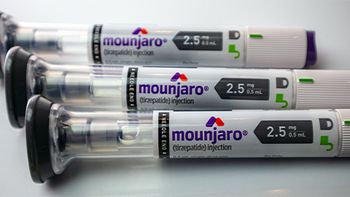
Lilly has temporarily halted UK shipments of Mounjaro until Sept. 1, when new list prices take effect.
In the final part of his Pharma Commerce video interview, Dave Malenfant, a healthcare supply chain expert, emphasizes that patient access must remain the top priority, even amid steep tariffs, citing cases like orphan drugs and oncology treatments where government flexibility is essential.
FDA approves COVID-19 vaccines from Moderna, Pfizer-BioNTech, and Novavax targeting the LP.8.1 sublineage of SARS-CoV-2, with eligibility limited to adults aged 65 years and older and those with underlying medical conditions that place them with a high risk for severe disease.

As of today, Aug. 27, wholesale distributors must fully comply with the Drug Supply Chain Security Act’s enhanced drug distribution requirements, closing the FDA’s exemption period and advancing efforts to strengthen patient safety and supply chain integrity.

The new 700,000-square-foot Holly Springs site—part of Roche’s $50 billion US investment plan—will focus on metabolic and obesity treatments, create 400 jobs, and strengthen domestic biopharma manufacturing amid shifting tariff and drug pricing policies.

Addressing the most common concerns surrounding the legislation intended to establish interoperability within the pharma supply chain.

A federal judge tripled damages against the pharmacy benefits manager after finding it encouraged inflated Medicare drug claims and underpaid pharmacies.

The new framework, set to take effect Sept. 1, limits tariffs on pharmaceutical imports to 15% but follows months of shifting proposals, including threats of tariffs as high as 250%.

Amid the topsy-turvy developments in global trade, one message appears certain for pharma manufacturers: the escalating need to stockpile inventory in the US.

Two Labs’ Michael Rowe assesses the industry’s level of preparation, including challenges stakeholders have encountered along the way.

The directive calls for building a six-month Strategic Active Pharmaceutical Ingredients Reserve, updating the essential medicines list, and prioritizing US-made APIs.

As pharma drug pricing debates heat up, the 340B program faces mounting challenges from outdated regulations, duplicate discounts, and limited transparency.

The new North Chicago facility, slated to open in 2027, will boost domestic production of key drug ingredients for immunology, neuroscience, and oncology therapies, reinforcing US pharmaceutical capacity amid industry reshoring and tariff concerns.

Why it’s time to act on passing key bills to boost access for millions.

The CDMO’s new services at its Hopewell, NJ facility delivers scalable, phase-appropriate production, in-house quality control, and domestic sourcing to help gene therapy developers reduce complexity, speed timelines, and ensure regulatory compliance.
A new two-phase initiative aims to streamline facility approvals, reduce reliance on foreign pharmaceutical production, and bolster domestic supply chain resilience amid rising tariffs and reshoring investments.

In an era of increasing regulatory complexity, life sciences organizations are modernizing GxP compliance through digital tools like eQMS, cloud platforms, and automated validation, while expert validation services remain essential for aligning these technologies with real-world workflows and inspection readiness.

Meanwhile, drugmakers ramp up US manufacturing investments to navigate policy shifts and protect supply chain resilience, as the Trump administration enacted tariff rates between 10% to 50% on various trading partners early this morning.

With 14 new lawsuits filed and 132 total complaints across 40 states, Novo Nordisk is intensifying efforts to protect patients from unapproved compounded semaglutide products by targeting pharmacies, telehealth providers, and deceptive marketing practices that compromise safety, mislead consumers, and violate FDA regulations.

The letters demand US drug prices match or undercut global lows, triggering a 60-day compliance timeline, and prompting strategic responses from players in the space, including Celltrion.

Is the industry ready for the Aug. 1 deadline of when these levies go into effect?
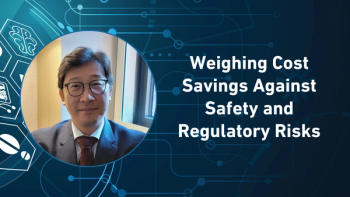
In the final part of his Pharma Commerce video interview, Hyung Heon Kim, CEO of MetaVia, discusses the potential repercussions of telehealth companies selling GLP-1s.
Advertisement
Advertisement
Trending on Pharmaceutical Commerce
1
BoomRx Expands Access to Oral Semaglutide and Tirzepatide Using Nanoemulsion Delivery
2
The Hidden Economics of Health Insurance Affordability
3
Pharma Pulse: Novartis Warns of Trade Fragmentation; Hospital M&A Hits Record Low; Copay Shock Warning
4
Evaluate’s 2026 Pharma Forecast Signals Cautious Recovery, Rising M&A, and GLP-1 Market Shifts
5